
Why Non-Developers Can Build Production-Ready Apps Now
Why Non-Developers Can Now Build Production-Ready Apps
In today’s rapidly evolving digital landscape, the ability to create robust, scalable, and user-friendly applications is no longer confined to those with extensive coding expertise. Non-developers are now stepping into the world of application development, thanks to tools and platforms that simplify the process of building production-ready apps. This transformation is empowering a broader range of professionals to bring their innovative ideas to life, disrupt industries, and drive digital transformation without the initial need for deep technical skills.
The Rise of No-Code and Low-Code Platforms
Democratizing Application Development
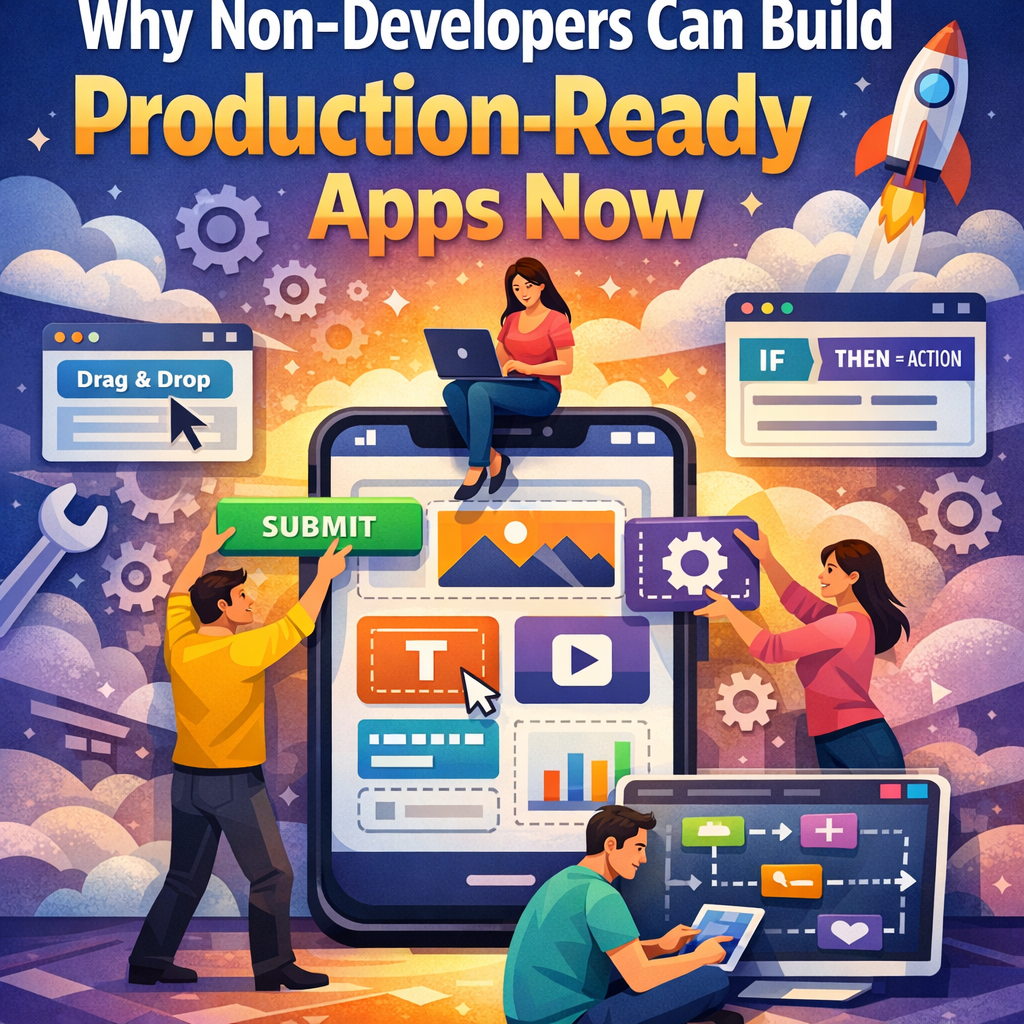
No-code and low-code platforms have been pivotal in enabling non-developers to build applications. These platforms provide intuitive, drag-and-drop interfaces that allow users to assemble applications much like putting together pieces of a puzzle. By significantly reducing the complexity associated with programming, no-code and low-code tools are democratizing technology creation.
Key Features Benefiting Non-Developers
- Visual Development Environments: Users see the layout and structure of their apps as they build them, making the development process more intuitive.
- Pre-built Templates: Many platforms offer templates that serve various business needs and verticals, accelerating the development process.
- Integrations: These platforms often include easy ways to connect with other tools and systems, adding functionality without manual coding.
Impact on Business Innovation
Faster Time to Market
With traditional development methods, turning an idea into a functional application could take months or even years. Non-developer-friendly platforms can dramatically shorten this timeline. Businesses can develop functional apps in a matter of weeks or days, enabling a quicker response to market demands and opportunities.
Cost Efficiency
Hiring skilled developers can be prohibitively expensive, especially for startups and small businesses. No-code and low-code platforms cut down on these costs by allowing non-developers to take on many of the tasks typically reserved for professional developers.
Empowering Non-Technical Teams
These platforms empower marketing, sales, HR, and other non-technical teams to create solutions that address their specific needs without waiting for IT department queues. This not only speeds up problem-solving but also encourages a culture of innovation across the entire organization.
Key Players in the No-Code/Low-Code Arena
Several no-code/low-code platforms have gained prominence, each with its unique strengths:
- Microsoft Power Apps: Offers deep integration with other Microsoft services, making it ideal for organizations invested in the Microsoft ecosystem.
- Google AppSheet: Provides powerful data connections and functionality, ideal for data-driven apps.
- Bubble: Allows the creation of highly customized applications with scalable features that can grow with the business.
Challenges and Considerations
Complexity Limitations
While no-code and low-code platforms are incredibly powerful, they do have limitations. Highly complex back-end processes and unique customization requirements might still need traditional development resources.
Data Security and Compliance
Organizations must consider data security and compliance with regulations when using no-code and low-code platforms. Ensuring that the platform chosen adheres to industry standards is crucial.
The Future Is Bright
The trend towards no-code and low-code solutions is changing the landscape of development. As these platforms continue to evolve, their capabilities will expand, allowing non-developers to tackle more complex projects and further blurring the lines between technical and non-technical roles.
Non-developers building production-ready apps is no longer a novelty but a growing reality across industries. Whether it’s streamlining internal processes, engaging customers more effectively, or testing new business ideas, the ability to create applications without coding skills is a significant advantage in today’s fast-paced business environment.